




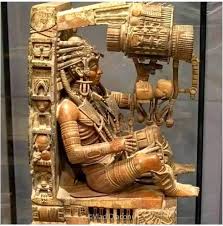
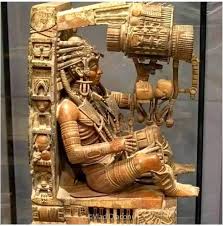
The "Maya astronaut."
This term is popularly used to refer to the sarcophagus lid of K'inich Janaab' Pakal (Pakal the Great), a ruler of Palenque, Mexico. His tomb features a relief that some interpret as depicting him piloting a spacecraft with advanced technology. However, the official archaeological interpretation maintains that this relief represents Pakal's journey to the underworld, as well as the Mayan worldview and concept of rebirth, including divine entities and the cosmic tree. Ancient astronaut theory: This theory proposes that the relief portrays Pakal as a space traveler, using a craft with advanced technology, likely due to his knowledge of astronomy and features uncommon for his time. The archaeological interpretation: It explains the image as a symbolic journey of the king from the world of the living to the underworld (Xibalbá), which is illustrated by a jaguar, the sacred ceiba tree and gods such as Itzamná (a quetzal on high).
12/24/20251 min read
Contenido de mi publicación