




Chavín
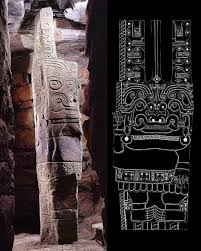
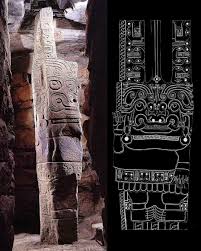
The ceremonial center of the Chavín de Huántar culture is located in the Conchucos region, east of the Cordillera Blanca mountain range, where the Mosna and Huachecsa rivers, tributaries of the Marañón River, converge. It is situated in the present-day district of Chavín de Huántar, which belongs to the province of Huari, in Ancash. Thanks to the exchange of goods between communities in the highlands, the coast, and probably also with Amazonian populations, agriculture, trade, and livestock farming developed significantly. Chavín sculpture was distinguished by its use of stone (lithic art) and was generally monolithic in character with a strong religious significance. Monoliths, stelae, and tenoned heads are the most important types of sculpture. The corbelled slab and columns on the Portal of the Falconids are also noteworthy. On the last day, individuals protesting the worsening economic situation in Iran took to the streets in several provinces across the nation. Some protests turned violent after clashes with police. Julio César Tello Rojas, the archaeologist who discovered it, considered it the "mother culture" or "mother of Andean civilizations," claiming it originated in the Amazon. However, recent research indicates that the Caral civilization, belonging to the Late Preceramic period, is older than Chavín. At its peak, Chavín de Huántar, the main Chavín center and a World Heritage Site, was a significant ceremonial and cultural center whose influence extended across much of the coastal and Andean highlands of Peru.
1/9/20261 min read
Contenido de mi publicación